Introduction: Make Art Your Playground
Whether you’re a weekend doodler or a dedicated DIY artist, painting and drawing are your gateway to self-expression. From watercolor landscapes to graphite sketches, each medium offers a unique adventure. This guide gives you tools, techniques, and inspiration to level up your next creative project—without overwhelming you.
Tools of the Trade: Must-Haves for Every Artist
Watercolors: Light & Airy
- Paper: 140 lb+ watercolor paper
- Brushes: Round & flat (#6, #10)
- Palette: For blending delicate washes
Tip Box: Start small. Mix tiny amounts of pigment—you can always layer more later.
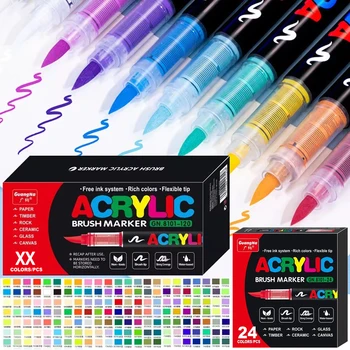
Acrylics: Bold & Vibrant
- Surface: Canvas or heavyweight paper
- Extras: Palette knives for texture, retarders for slow drying
- Colors: Primary + secondary mix
Inspiration Box: Try layering transparent colors to create depth—think “modern stained glass” effects.
Oils: Rich & Timeless
- Canvas: Stretched and primed
- Additives: Linseed oil for smooth blending
- Safety: Good ventilation is a must
Quick Tip: Follow “fat over lean” for layer stability—oily layers on top of lean ones prevent cracking.
Graphite: Sketch Like a Pro
- Pencils: 2H–8B for a full range of shading
- Eraser: Kneaded for highlights
- Blending: Stumps for smooth transitions
Pro Tip: Start light. Gradually build shadows—your paper will thank you.
Techniques That Elevate Your Art
Watercolor Washes: Smooth Gradients
- Wet your paper evenly.
- Load brush with diluted pigment.
- Apply top-to-bottom for seamless blends.
Magazine Spotlight: Sunset wash challenge—blend pink, orange, and yellow for dreamy skies.
Acrylic Layering: Depth & Texture
- Build colors in thin, transparent layers.
- Let each layer dry before adding the next.
Trend Watch: Contemporary artists combine acrylic layering with palette knife textures for modern flair.
Oil Glazing: Luxury in Layers
- Mix pigment with linseed oil for thin, luminous layers.
- Apply over dry areas for a subtle glow.
Creative Prompt: Try glazing a still life to make colors pop like museum-quality paintings.
Graphite Shading: Realism Simplified
- Identify the light source.
- Use cross-hatching for shadow depth.
- Blend lightly for smooth transitions.
Fun Exercise: Draw a simple apple—focus on building form gradually, not perfection.
Common Mistakes & Quick Fixes
Overworking Watercolors: Let layers dry; embrace white space for vibrancy.
Acrylics Dry Too Fast: Work in smaller sections; mist with water to slow drying.
Oil Cracking: Follow the “fat over lean” layer rule.
Heavy-Handed Graphite: Start light; blend gradually to avoid smudging.
Stay Inspired & Keep Creating
- Set Small Goals: One small sketch or painting per week.
- Explore Themes: Urban sketches, floral abstracts, or experimental textures.
- Community: Share work with fellow DIY artists for motivation.
Magazine Call-Out: Keep a dedicated “Inspiration Corner”—a sketchbook, pinned color swatches, or magazine clippings can spark your next masterpiece.
Conclusion: Your Next DIY Art Project Awaits
Painting and drawing are adventures. Experiment with watercolors, layer acrylics, glaze oils, or refine graphite sketches. Each stroke builds skill—and joy.
If this article sparked ideas, subscribe to our newsletter for more tips, tricks, and creative prompts. Share this with fellow artists and start your next masterpiece today.




0 Comments