How to Master Mixed Media & Collage: Transform Everyday Materials Into Art

Introduction
Mixed media and collage are more than just craft hobbies—they are a way to express creativity without limits. By blending paper, paint, fabric, and found objects, you can create layered, textured pieces that tell stories and evoke emotion. In this blog, you’ll discover a structured approach to mixed media art, with actionable tips, creative inspiration, and guidance to turn ordinary materials into extraordinary artwork.

Understanding Mixed Media & Collage

Mixed media refers to combining multiple artistic materials and techniques in a single artwork. Collage, a subset of mixed media, focuses on layering images, textures, and objects. The beauty of these techniques lies in their flexibility—you don’t need expensive tools or formal training. In fact, many artists use recycled items or simple household materials to produce stunning results.

Why it matters:

  • Encourages experimentation and personal expression.
  • Helps reduce art supply waste by repurposing materials.
  • Expands your creative skillset beyond traditional painting or drawing.

Step 1: Gather Materials With Purpose

Paper and Found Prints

Start with scrapbooking paper, old magazines, or even wrapping paper. Layered paper provides the base for your collage and adds depth.

Paints and Inks

Acrylic paints, watercolors, or ink pens can unify diverse materials. Try creating washes or textures that complement your paper elements.

Fabric and Textures

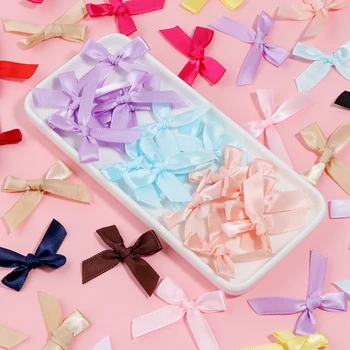
Use fabric scraps, ribbons, or lace to introduce tactile interest. Mixed textures make your artwork dynamic and engaging.

Everyday Objects

Coins, ticket stubs, leaves, or buttons can be integrated to tell a story or add focal points. Don’t be afraid to experiment with unconventional materials—they often create the most memorable pieces.

Step 2: Techniques to Combine Materials

1. Layering Thoughtfully

Begin with a base layer and gradually add materials. Alternate textures and colors to create depth. A good tip is to think of your work in three layers: base, middle, and highlight.

2. Balance Color and Contrast

Even with diverse materials, maintaining a cohesive color palette makes your piece feel intentional. Pick 3–5 colors and repeat them across elements.

3. Embrace Texture

Smooth paper, rough fabric, or gritty paint can create contrast and intrigue. Touch adds a sensory element, enhancing viewer engagement.

4. Experiment With Adhesives

Gel mediums are great for paper and fabric; double-sided tape works for quick layering. Test adhesives first to prevent warping or bubbling.

5. Tell a Story

Arrange elements intentionally. Ask: What narrative does this piece convey? Even abstract works benefit from compositional thought, guiding the viewer’s eye.

Step 3: Inspirational Ideas for Mixed Media Projects

  • Memory Collages: Use photographs, ticket stubs, and handwritten notes to create personal art pieces.
  • Sustainable Art: Transform packaging, newspaper, or scraps into visually striking works.
  • Abstract Experiments: Play with colors, textures, and shapes without planning—sometimes spontaneity creates the best results.

Trend Insight: Collage-based home décor is gaining popularity, with DIY wall art tutorials seeing a 45% increase in online searches over the past year.

Step 4: Finishing and Displaying Your Art

  • Seal Your Work: Protect delicate layers with a clear acrylic medium or spray.
  • Frame Creatively: Use shadow boxes for dimensional pieces.
  • Document Progress: Photograph each stage. Not only does it inspire future work, but it also allows you to share your process with others.

Conclusion
Mixed media and collage provide endless opportunities for creative expression. By experimenting with paper, paint, fabric, and found objects, you can produce unique, layered, and personal art. Start with simple materials, focus on layering and texture, and let your imagination guide you.

Share your creations, explore new materials, and join our community to keep learning and growing in the world of arts and crafts.

Cutting Machines for Crafts: The Complete Guide for Creative Makers

Discover the best cutting machines for crafts. Learn how electronic cutting machines work, their benefits, popular materials they cut, and how to choose the right machine for your crafting projects.

Rub-On Stickers: The Ultimate Guide to Creative Crafting

Discover what rub-on stickers are, how to use them, their benefits, and creative project ideas. Learn why rub-on transfers are perfect for scrapbooking, card making, journaling, and DIY crafts.

How to Make Glass Bead Bracelets: The Complete DIY Guide for Beginners

Learn how to make beautiful bracelets with glass beads. Discover essential materials, simple techniques, design ideas, and expert tips for creating unique handmade jewelry.

Greeting Card Paper Sizes: A Complete Guide to Standard Card Dimensions

Discover the most common greeting card paper sizes, including A2, A6, A7, square, and slimline cards. Learn how to choose the right greeting card dimensions for printing, mailing, and custom designs.

Decoupage for Beginners: Everything You Need to Know About This Timeless Craft

Learn what decoupage is, the supplies you’ll need, and how to get started with this fun and creative DIY craft. Discover tips, techniques, and project ideas for beginners.

Diamond Painting for Beginners: The Ultimate Guide to This Relaxing DIY Craft

Discover everything you need to know about diamond painting for beginners. Learn how diamond painting works, the tools you’ll need, expert tips, and why this relaxing DIY craft has become a favorite among creative hobbyists.

Understanding the Different Types of Ink for Cardmaking

One of the most exciting aspects of cardmaking is experimenting with the wide variety of inks available. The right ink can transform a simple stamped image into a stunning focal point, add vibrant backgrounds, or create elegant embossed details. However, with so many options on the market, choosing the best ink for your project can feel overwhelming. At Craft Vision Studio, we believe that understanding the different types of ink is one of the keys to taking your handmade cards to the next...

The Joy of Crafting: Why Handmade Creativity Matters More Than Ever

In today's fast-paced digital world, taking time to create something with your own hands has become more meaningful than ever. Crafting isn't just about making beautiful objects—it's about slowing down, expressing yourself, and discovering the satisfaction that comes from bringing an idea to life. At Craft Vision Studio, we believe that creativity belongs to everyone. Whether you're an experienced maker or someone picking up a glue gun for the very first time, crafting offers endless...

The Ultimate Community-Driven Arts and Crafts Guide for Creators in 2026

Introduction Arts and crafts in 2026 are more than hobbies—they’re creative lifelines. Whether you’re a beginner exploring your first DIY project or a seasoned maker searching for inspiration, this guide will help you navigate the latest trends, connect with fellow creatives, and turn your passion into a shared experience. By the end of this post, you’ll have practical tips, trend insights, and community-focused ideas to elevate your craft and engage with like-minded makers. Why Community...

The Ultimate Guide to Digital Arts & Design: From Basics to Pro Tools

Introduction Have you ever wondered how digital artists create those stunning illustrations, captivating graphics, and immersive designs you see online? Whether you’re an absolute beginner or an experienced creator looking to refine your skills, this guide will walk you through the essentials of digital arts & design. You’ll learn the foundational principles, the best software tools available, actionable techniques to improve your craft, and expert tips to help you stand out in a crowded...

0 Comments

Submit a Comment

Your email address will not be published. Required fields are marked *

Join